Blog
Shock, Adapt, Invest: What the New Oil Crisis Means for the Energy Transition
What looks like a crisis is also a confirmation: the global energy system's dependence on fossil fuels is no longer just an environmental problem, it's a strategic one. And the race to fix it just got a lot more urgent.
Fred van Beuningen
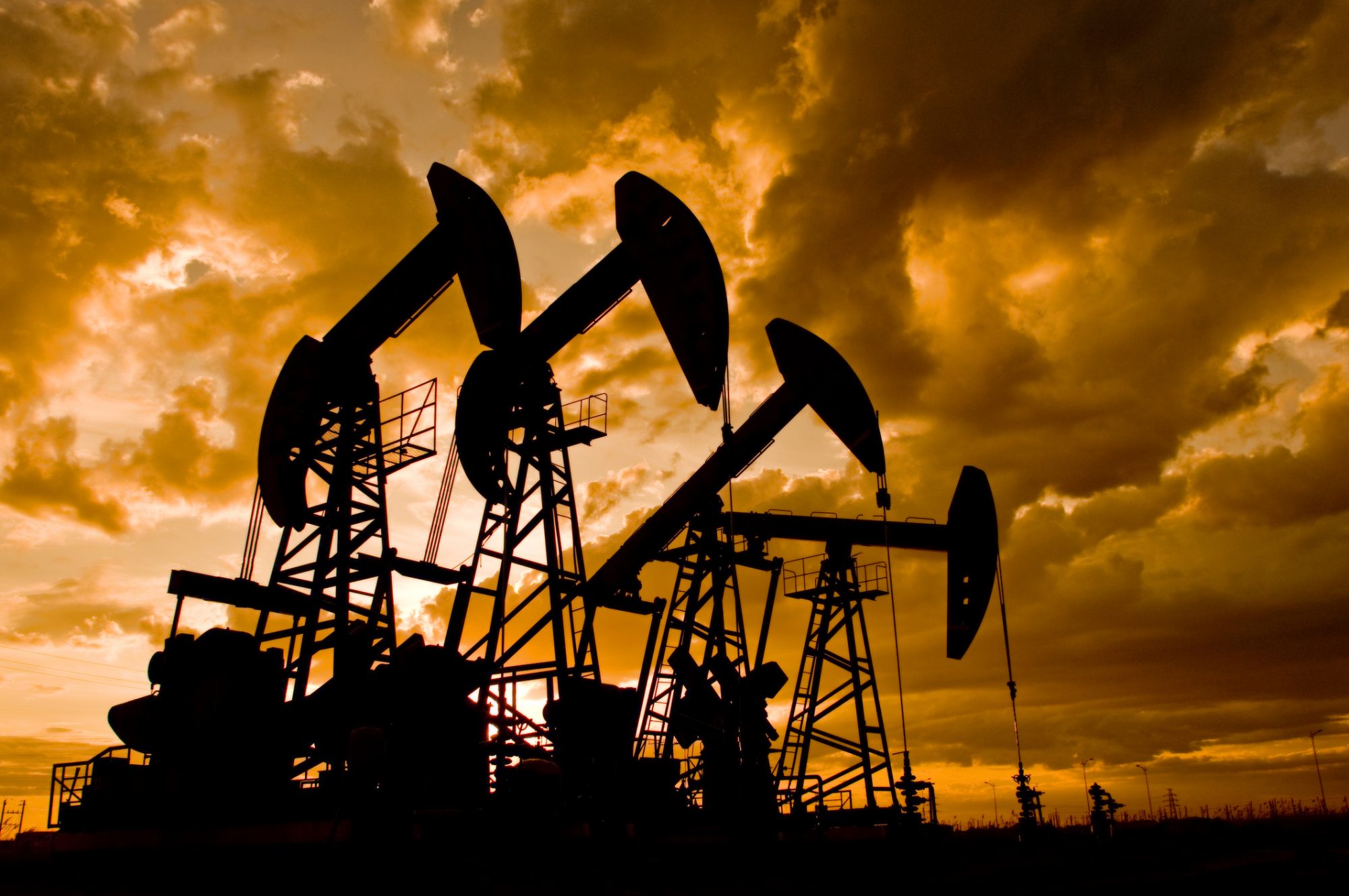
Some analysts expects the oil price could reach $120/bbl, triggered by the conflict in Iran, historically high, well above the long term inflation-adjusted average of about $55–65/bbl. The effectively closed Strait of Hormuz stops the flow of about 20M barrels of Arabian crude a day to primarily Asian markets.
This new energy crises, after the pandemic and the Ukraine invasion by Russia, exposes new vulnerabilities in the global energy system and consequently increased geopolitical risks. As with previous energy shocks, like the 1970 oil crises, disruptions in the global energy system will reshape long term energy strategies of global companies and governments.
Alternative sources of energy, energy efficiency at all stages of the energy chain and electrification are obvious examples of reducing exposure to oil shocks and the geopolitical risks associated with fossil fuels.
This transition is already happening. Solar PV alone accounted for 64% of all new power capacity additions, with wind contributing another 16% together 80% of all new capacity globally. Solar and wind capacity additions each rose by more than 60% year-on-year in the first half of 2025. In France, nuclear, the workhorse of base load power, generated 361.7 TWh, 67% of the power mix, CO₂-free generation accounted for 95% of the total. Other countries invested in fuel substitutions like biobased ethanol or bioenergy and hydropower. Other energy sources like geothermal (reliable but geographically concentrated), green hydrogen (often expensive), tidal and wave energy and nuclear fusion are in development but not yet commercially available at scale.
Enabling technologies are equally important.
Grid infrastructure & transmission. As generation becomes more distributed and variable, grids need upgrading: high-voltage direct current (HVDC) lines for long-distance transmission with lower losses, smart grid software to balance supply and demand in real time, and expanded interconnections between countries and regions.
Energy storage is the critical addition to intermittent renewables. This goes beyond lithium-ion batteries.
Pumped-storage hydro: the dominant form of grid storage today, pumping water uphill when electricity is cheap and releasing it when needed
Long-duration storage: iron-air, flow batteries, compressed air, and gravity-based systems designed to store energy for days or weeks rather than hours
Thermal storage: storing excess electricity as heat (molten salt, hot water) for later use, especially for industrial heat demand
Power electronics & inverters Solar panels and batteries produce DC current; the grid runs on AC. Inverters handle the conversion and are increasingly "smart” managing grid frequency, voltage, and stability. As more generation becomes inverter-based, grid stability management becomes more complex and software-driven.
Electrolyzers & green hydrogen Electrolyzers split water into hydrogen and oxygen using electricity. When powered by renewables, the result is green hydrogen — a potential fuel for sectors that are hard to electrify directly (steel, shipping, aviation, long-duration storage). As said, still expensive, but affordable under certain circumstances.
Heat pumps Convert electricity into heat (or cooling) at higher efficiency than electric resistance heating. Critical for decarbonizing buildings and replacing gas boilers.
Electric vehicles & vehicle-to-grid (V2G) EVs as mobile batteries. V2G technology allows EV batteries to feed electricity back into the grid during peak demand, turning millions of cars into a distributed storage asset. Early-stage commercially but with high potential.
New materials such as high temperature superconductors, perovskite and better magnets for wind turbines are also opportunity areas, as well as digital solutions like AI and predictive analytics enabling better grid balancing, Digital twins virtual models of power plants and grids used for maintenance or operations optimization, and Demand response platforms — software that automatically shifts industrial or commercial electricity consumption to times when renewable supply is abundant and prices are low.
Critical minerals supply chains are a fundamental enabler. Solar panels need silicon and silver; wind turbines need rare earth magnets; batteries need lithium, cobalt, nickel, and manganese. Mining, refining, and recycling these materials — and reducing dependence on any single supplier — is a major constraint on the pace of the whole transition and introduces another geopolitical risk through the dominant position of China in most of these supply chains.
Carbon capture and utilization (CCU) is potentially important for hard-to-abate sectors and for offsetting residual emissions.
Chrysalix has 20+ years of experience investing in early-stage technologies that enable the energy and materials transition, with strong partner clusters in mining, energy and chemicals globally, giving us good visibility on alternative energy and critical mineral technologies like alternative storage, mineral recycling and harvesting from waste technologies.
The latest energy shock and further acceleration of transitions in energy and materials, puts an additional lens on external innovation and makes the cost of betting on the wrong technology, being late to market or piling on legacy asset risk, even higher.